A memory controller, sometimes known as a memory control unit, is a chip or part of a chip that manages the data that flows in and out of device’s system memory. Older designs were built into motherboard chipsets, but most modern memory controllers are built into the main processor or system-on-chip and called an integrated memory controller, or ICM. It handles the job of managing the memory, so the CPU doesn’t have to.
The memory controller or MC, is an important hardware component in modern devices for managing the way data moves in and out of memory chips. It optimizes the movement of that data to enhance performance and stability, and eases the workload of the CPU, improving latency and freeing up extra CPU cycles for more generalized workloads.
When the CPU or intelligent I/O device needs some data to be written to the memory, it’s the memory controller that makes the calculation about which memory cells that data should be written to. When the CPU needs to read that data, it’s the memory controller that informs it where the data is. It also handles translation duties, taking requests from the CPU or other components and translating those into commands the memory can understand. It also performs the all-important memory refresh task that helps ensure the memory doesn’t lose its electrical charge and the data it’s holding on to.
Although historically, memory controllers were built into motherboard chipsets, most modern processors and system on chips build the controller into the processor package. This reduces the distance that signals must travel, improving latency, and gives the processor a more direct connection with system memory.
What a Memory Controller Does
The memory controller performs a number of key roles within modern computers and computing devices. Its major function is to translate requests from various system components like the CPU and converting them into the kind of signal required to interact with the type of memory the system uses; Whether that’s DDR5, LPDDR, HBM, or something else entirely.
For DDR5 systems, understanding how memory speed is configured and verified can also help users get the most out of their hardware. Learn How to Check DDR5 RAM Speeds with Simple Steps.
For example, an application makes a request for data it needs to complete a task. The CPU sends a generic request for data to the memory controller. The controller then decodes that request to find the specific row and column address within the memory chips to extract the needed data.
When writing data to the memory chips, the memory controller also acts as an arbiter of where that data should be stored. It selects an appropriate channel, rank, row, and column, and may re-order data periodically to improve efficient access. It also arbitrates between requests from different components, managing whether the request from the CPU gets priority over the GPU and vice versa.
By scheduling and re-ordering these requests, the controller can ensure the DRAM operates efficiency and that components have the most access possible, allowing different banks to work in parallel, improving the effective bandwidth and cutting back on unnecessary delays – improving latency in the process.
The memory controller also performs a number of housekeeping, background tasks to ensure the memory and the system as a whole continues to run at peak performance. It sends periodic refresh commands to the memory cells so that they retain their electrical charge and don’t lose the data they’re holding – memory is volatile storage, after all. When it first starts up, its performs memory training to establish stable timings, too. Some controllers also support error-correcting code (ECC) for detecting and correcting certain memory errors.
It Controls Performance
By having such direct control over how and when memory is accessed, read, and written to, the memory controller has a direct influence over memory performance, and therefore, system performance in turn. The memory’s overall bandwidth, timings, channel count, and capacity all contribute to how memory interacts with a device, but it’s the controller that helps determine ultimately how much bandwidth is available for the system to take advantage of.
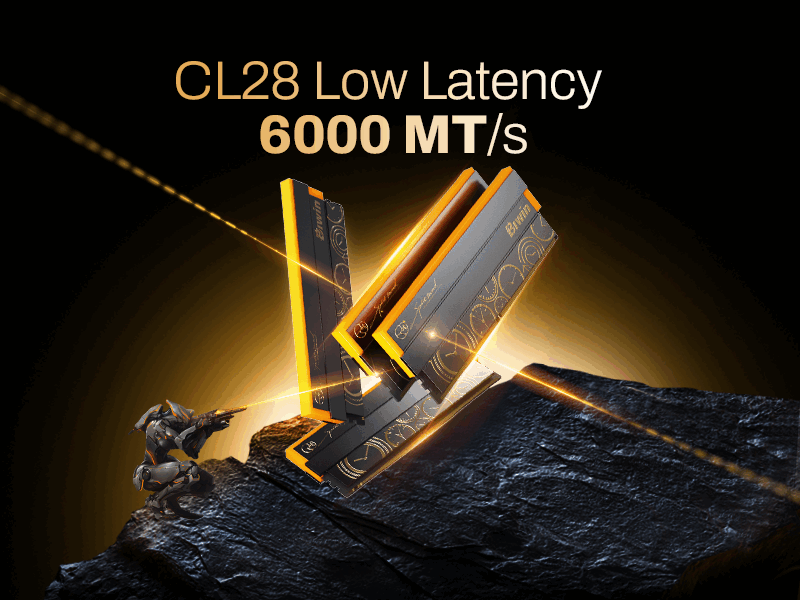
A faster memory kit puts more data at the memory controller’s disposal. The Biwin Black Opal HX100 DDR5 Heatsink Memory, for example, can run at up to 7200 MT/s and supports XMP 3.0 and AMD EXPO memory profiles. The controller handles the movement of that data between the memory and processor, helping the system make use of the additional bandwidth the faster memory provides.

Most users will never interact with the memory controller directly, but almost every exchange with system memory passes through it. Give the system faster memory with more bandwidth to work with, and the controller has more data to manage and move where it needs to go. It’s a largely unseen part of the system, but an important one for getting the performance the memory is capable of delivering.